Key takeaways
- Flashing, vent boots and worn shingles cause most leaks.
- Stains rarely sit under the entry point.
- Contain the water and protect belongings first.
- A roofer can trace and fix the source.
The usual suspects
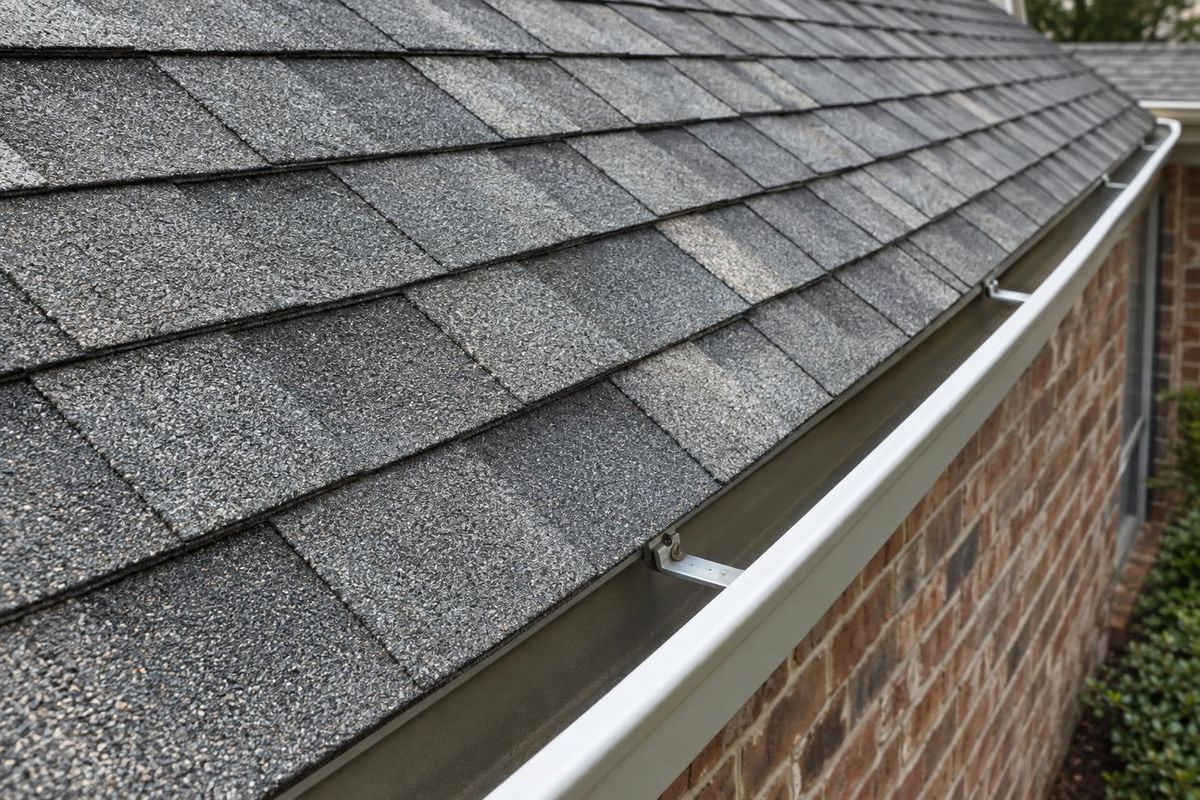
Failed flashing at walls and chimneys, cracked vent boots, nail pops, missing shingles, clogged valleys, skylight seals and worn sealant cause most leaks.
Condensation can mimic a leak.
What to do right away
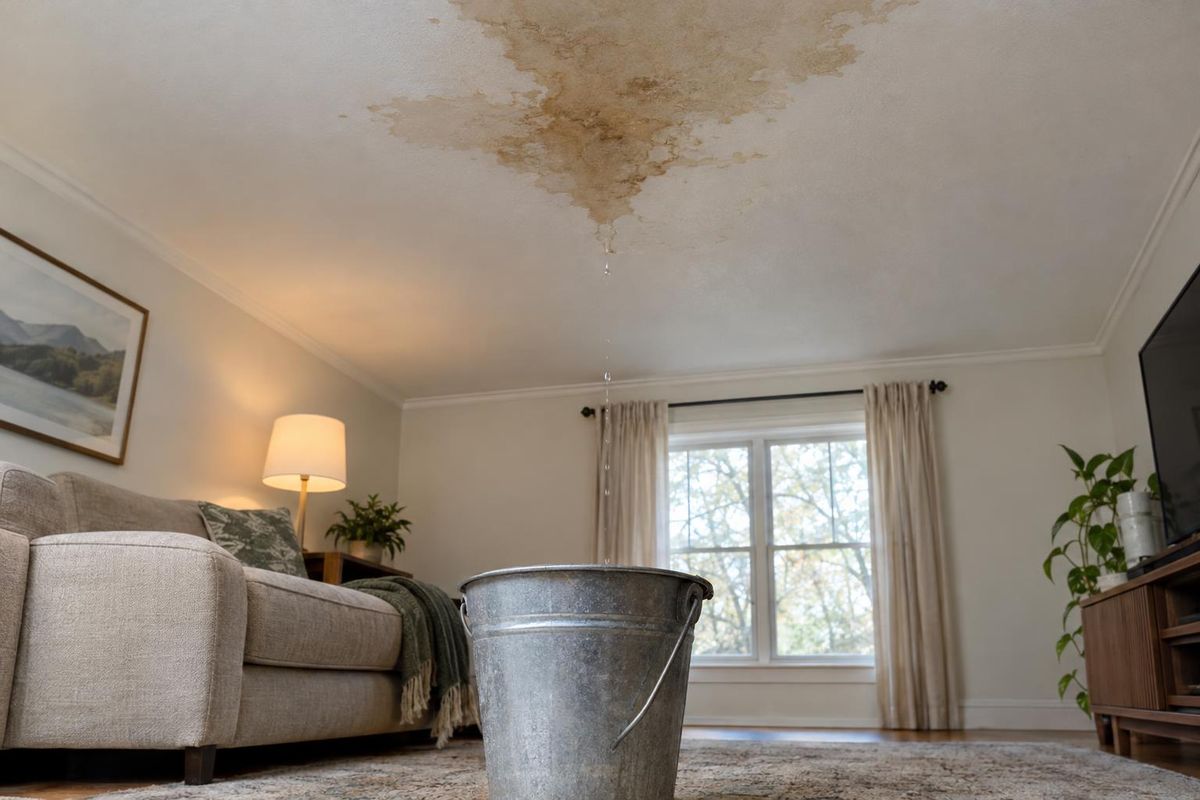
Place a container under drips, move furniture and electronics and poke a small hole in a bulging ceiling to drain water into a bucket if it is safe.
Photograph the damage.
Finding the source
Water runs along rafters and decking before it drips, so the entry point can be several feet upslope. A roofer checks the attic and roof surface to follow the trail.
Do not rely on a quick tube of sealant.
Preventing the next leak
Replace aging boots and flashing, keep gutters clear, trim branches and schedule an annual inspection.
Address small issues early.
Quick answers
Is a roof leak an emergency?
Water damage grows quickly, so protect the house and call for help promptly.
Can I fix a leak with roofing cement?
It can slow a leak temporarily, but real repair means replacing the failed part.
Why does my roof only leak in certain storms?
Wind-driven rain can enter at spots that stay dry in normal rain.